%2Ffit-in%2F250x250%2Fusers%2F074519b3-86ac-4963-8345-c53200fbc655%2Fimages%2F189cf45f-3cdd-4c52-92ed-24049c1acd11.jpg&w=1920&q=100)
Red Snapper and Grouper Fishing in Pensacola Beach FL
Red Snapper and Grouper Fishing in Pensacola Beach - What to Expect
%2F%2Fusers%2F074519b3-86ac-4963-8345-c53200fbc655%2Fimages%2Fpensacola-beach-red-snapper-grouper-2943.jpg&w=1920&q=75)
Fishing Charter by Captain Mark Shaw in April
- Top Rated Pensacola Beach Fishing Charters


Summary
Join a premier fishing charter in Pensacola Beach on Monday, April for an unforgettable red snapper and scamp grouper experience. This guided fishing trip showcases the Gulf's most prized species while delivering the authentic offshore adventure you've been seeking along Florida's Emerald Coast.
Fishing Charter with Captain Mark Shaw - Rates & Booking
Captain Mark Shaw of Proud Pelican Charters welcomes anglers to experience Gulf Coast fishing excellence on Monday, April. This fishing charter targets the waters surrounding Pensacola Beach, delivering encounters with red snapper and scamp grouper in their natural habitat. Captain Shaw combines local expertise with genuine passion for connecting anglers with the species that make this fishery legendary.
Book your adventure with Proud Pelican Charters and secure your spot on the water. This is your opportunity to fish alongside a captain who knows these grounds intimately and understands what it takes to land quality specimens. Contact the charter today for availability, rates, and trip details that fit your schedule.
Highlights of Your Fishing Experience
The waters off Pensacola Beach are renowned for holding some of the Gulf's most impressive red snapper populations alongside powerful scamp grouper. When conditions align, anglers experience consistent action with opportunities to pursue multiple species in a single outing. The diversity of the fishery means every cast carries genuine excitement, whether you're targeting bottom dwellers or exploring structure that holds larger specimens.
What makes this charter special is the combination of productive fishing grounds and Captain Shaw's ability to read the water and locate active fish. The Pensacola area offers year-round opportunities, but spring conditions create ideal windows for pursuing these species with precision and success.
Local Species Insights: Red Snapper and Scamp Grouper
Red snapper are among the most sought-after species along the Gulf Coast, prized for their aggressive feeding behavior, stubborn fighting style, and reputation as exceptional table fare. These fish are structure-oriented, gravitating toward reefs, ledges, and artificial structures where they establish feeding territories. Scamp grouper share similar habitat preferences, though they tend to hunt with slightly more aggression and often reach impressive sizes in the deeper offshore waters near Pensacola.
The Gulf waters surrounding Pensacola Beach provide ideal conditions for both species. Red snapper migrate through the area with seasonal patterns, creating windows of exceptional abundance. They respond well to natural baits and live offerings, often striking with confidence once located on productive bottom. Scamp grouper display territorial behavior around structure, making them exciting targets for anglers who understand how to work deep water effectively.
Both species thrive in the nutrient-rich Gulf waters where continental shelf structure creates natural gathering points. Reefs and rocky outcroppings attract baitfish, which in turn draw predators. The underwater topology near Pensacola Beach features numerous depth changes and structural features that concentrate fish populations. Understanding how to read these areas and present baits effectively separates memorable days from routine outings.
Fishing for these species is more than just technique - it's about understanding their biology and behavior patterns. Red snapper exhibit daily feeding cycles, with peak activity often occurring during specific tide windows. Scamp grouper display seasonal movement patterns influenced by water temperature and spawning cycles. Captain Shaw's local knowledge encompasses these nuances, allowing him to time trips strategically and position anglers for maximum success.
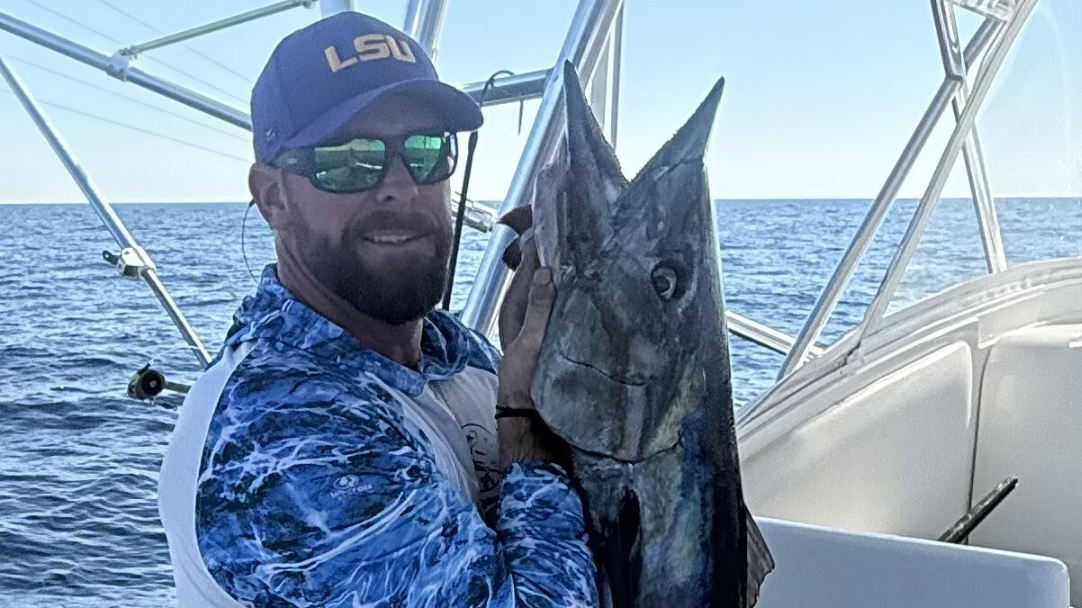
The catch displayed in this image represents the reality of quality offshore fishing - multiple red snapper of respectable size alongside a prime scamp grouper specimen. This outcome isn't luck; it's the result of proper technique, ideal conditions, and guidance from someone who understands these waters completely. When you book with Proud Pelican Charters, you're investing in an experience backed by genuine expertise and a track record of successful outings.
Plan Your Fishing Day
A typical offshore fishing charter begins before dawn, with the boat departing Pensacola Beach marina as first light approaches. This timing positions anglers on productive grounds during the most active feeding periods. Throughout the day, Captain Shaw navigates toward various structures and depth ranges, adjusting strategy based on real-time conditions and fish activity levels.
Bring seasickness medication if you're susceptible to boat motion, as offshore conditions can vary. Wear sun protection - the reflection off the water intensifies UV exposure. Bring polarized sunglasses to reduce glare and improve your ability to see structure and signs of fish activity. Stay hydrated throughout the day and dress in layers, as water temperatures and wind can create variable comfort levels. Captain Shaw manages all technical aspects of the operation, allowing you to focus entirely on fishing and enjoying the experience.
Fishing in Pensacola Beach: Red Snapper
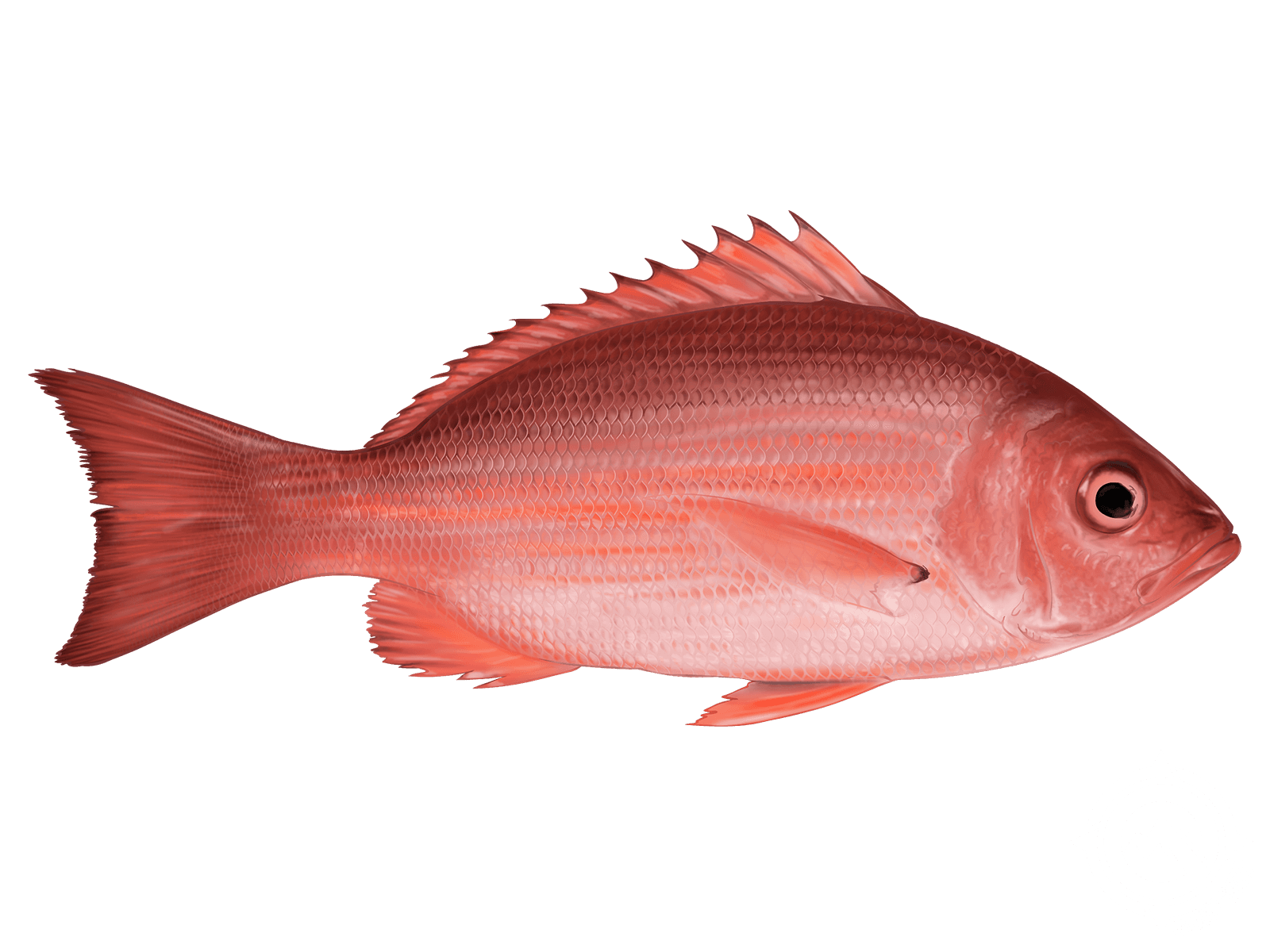
Scamp Grouper Overview
The Scamp Grouper (Mycteroperca phenax, also known as brow grouper, abadejo, or broom tail) is a prized saltwater species belonging to the family Serranidae within the order Perciformes. Found abundantly throughout the Gulf of Mexico and southern Atlantic waters, this remarkable fish stands out among its grouper cousins with distinctive elongated rays protruding from its tail fin, deep tan to chocolate brown coloration, and darker reddish-brown blotches running along its sides. Known colloquially as "The Captain's Meat" because of its exceptional flavor—often reserved for boat captains—the Scamp Grouper represents one of the most sought-after culinary and sporting fish along America's southern coastlines. Whether you're fishing off the Florida Keys or exploring the reefs of Gulf Shores, this slow but powerfully strong swimmer delivers an unforgettable angling experience and exceptional table fare.
Scamp Grouper Habitat and Distribution
Scamp Groupers are structure-lovers, spending most of their lives hiding beneath rocky outcrops, ledges, shipwrecks, and coral reefs where they ambush unsuspecting prey. These bottom-dwellers typically inhabit depths ranging from 75 to 300 feet, though they migrate to shallower waters during spawning season. The species is most abundant throughout the Gulf of Mexico and southern Atlantic waters, with populations extending from Florida northward along the East Coast to North Carolina, and even as far north as Massachusetts in cooler months. Prime fishing destinations include coastal reefs, shoals, jetties, breakwaters, mangrove systems, docks, and artificial reef structures where these fish congregate to feed and spawn.
Scamp Grouper Size and Weight
While Scamp Groupers are generally smaller than many of their grouper relatives, they pack considerable power for their size. Average specimens typically measure less than three feet in length and weigh between four to six pounds, making them ideal for recreational anglers seeking a balanced challenge. The minimum recorded size is approximately 12 inches, while trophy-class individuals can reach up to 42 inches long and weigh as much as 32 pounds—the largest documented Scamp Grouper on record. Most anglers targeting this species should expect to encounter fish in the 2 to 3-foot range, which still require quality tackle and skill to successfully land.
Scamp Grouper Diet and Behavior
As opportunistic ambush predators, Scamp Groupers consume virtually anything they can fit into their mouths, though their diet primarily consists of smaller fish species, crustaceans, and octopus. These slow-swimming hunters rely on stealth and explosive strikes rather than speed, waiting patiently near structure before lunging at passing prey. Their behavior changes seasonally—during most of the year they remain in deep waters, but as spawning season approaches, they become increasingly active and migrate into shallower environments. Their deliberate movement and strong build make them formidable opponents on the end of a line, earning a reputation among experienced anglers for delivering extended, exhausting battles.
Scamp Grouper Spawning and Seasonal Activity
Scamp Grouper spawning season begins in February and typically concludes by mid-May, with peak activity occurring around early March. This seasonal window triggers significant behavioral changes—fish abandon their deep-water sanctuaries and move into shallower waters to reproduce, making them more accessible to anglers during this period. Their reproductive cycle is fascinating: these fish are born female and undergo sex change to male as they mature and grow. Understanding this spawning timeline is crucial for both conservation-minded anglers and those seeking prime fishing opportunities, as seasonal migration patterns create predictable hotspots during the first quarter of the calendar year.
Scamp Grouper Techniques for Observation and Capture
Tackle and Equipment: Successfully landing a Scamp Grouper requires quality conventional tackle. Anglers should deploy a 6.5 to 7-foot medium-to-heavy conventional rod paired with a 30 to 40-series reel, supplemented with heavy braided line to handle the extended battles these fish are famous for. For deeper offshore work, fishing weights are essential to get your bait to bottom-dwelling depths. In shallower coastal environments, lighter spinning tackle can improve presentation and entice skittish fish, though durability remains key.
Bait Selection: Live bait consistently outperforms alternatives when targeting Scamp Groupers. Excellent choices include pinfish, sardines, scads, cigar minnows, spots, croakers, grunts, and threadfins. Fresh, lively baits present the most natural appearance and trigger aggressive strikes from ambush-feeding groupers. Around coastal fishing hubs in the Gulf of Mexico, local bait shops can recommend seasonal preferences and source premium specimens.
Location and Timing: Success hinges on finding the right structure. Focus your efforts on coastal reefs, shoals, jetties, breakwaters, mangrove systems, docks, and artificial wrecks where Scamp Groupers concentrate. Early morning and late afternoon typically produce best results, while spawning season (February through May) concentrates fish in shallower, more accessible zones. Fishing during slack tide or early incoming water often improves bite rates as groupers become more active.
Scamp Grouper Culinary and Nutritional Notes
The Scamp Grouper earns its reputation as arguably the finest-tasting member of the entire grouper family. Prized for its mild, slightly sweet flavor and tender, flaky white meat, this species commands premium prices at upscale seafood restaurants and remains a favorite among coastal chefs. Nutritionally, Scamp Grouper meat is an excellent protein source, rich in essential vitamins and minerals while remaining remarkably low in calories—making it ideal for health-conscious diners and those watching their weight. The meat's firm texture holds up beautifully to various cooking methods: grilling, pan-searing, baking, or blackening all showcase its natural qualities. Sustainability considerations suggest enjoying this species in moderation and supporting responsible fishing practices to maintain healthy populations for future generations.
Scamp Grouper Frequently Asked Questions
Q: What is the best bait for catching Scamp Grouper?
A: Live bait reigns supreme when targeting Scamp Groupers. Pinfish, sardines, scads, and cigar minnows consistently outperform frozen or cut bait options. The key is offering fresh, lively baits that display natural movement and trigger the predatory instincts of these ambush hunters. Match bait size to the species you're targeting—larger fish respond better to substantial baits in the 3 to 5-inch range.
Q: Where can I find Scamp Grouper in the Gulf of Mexico?
A: Scamp Groupers concentrate around structure in the Gulf of Mexico—focus on natural and artificial reefs, rocky ledges, shipwrecks, and drop-offs in the 75 to 300-foot depth range. Coastal areas near jetties, breakwaters, and mangrove systems also hold populations. Major fishing ports throughout the Gulf offer chartered deep-sea trips specifically targeting this species, where experienced captains know the best productive grounds.
Q: Is Scamp Grouper good to eat?
A: Absolutely. Scamp Grouper ranks among the finest-tasting fish in the entire grouper family, with mild, sweet, tender white meat that's low in calories and high in protein. Its culinary excellence explains why it's reserved for boat captains and featured in upscale restaurants. Most preparation methods—grilling, baking, pan-searing—highlight its natural delicate flavor exceptionally well.
Q: When is the best time to catch Scamp Grouper?
A: Peak season runs from February through May during spawning migration, when fish move into shallower waters and become more accessible. Early morning and late afternoon generally produce better bite rates. Slack tide and early incoming water also enhance your chances, as groupers feed more actively during these periods. Year-round fishing remains viable in deeper offshore zones, though availability increases significantly during spring spawning season.
Q: How long do Scamp Groupers live?
A: Scamp Groupers can live up to 50 years in the wild, making them a long-lived species that grows slowly and reaches reproductive maturity relatively late. This longevity makes population management and sustainable fishing practices particularly important for maintaining healthy stocks.
Q: What size rod and reel should I use for Scamp Grouper?
A: A 6.5 to 7-foot medium-to-heavy conventional rod paired with a 30 to 40-series reel represents the ideal setup for most Scamp Grouper applications. Heavy braided line (50-65 pound test) is recommended to handle the powerful, extended battles these strong swimmers deliver. For shallower presentations where lighter tackle might tempt skittish fish, consider medium spinning gear, though durability should remain a priority given the aggressive nature of these fighters.